Boone County recorded 94 deer-vehicle crashes in 2025, the most of any county in Kentucky Transportation Cabinet (KYTC) District 6 and the fifth-highest total statewide.
The data, highlighted in an Oct. 21 LINK nky report, comes as the peak period for deer collisions gets underway. November alone accounted for 823 of Kentucky's 3,411 deer crashes in 2025, according to LINK nky.
October added 394 and December 330. Together, those three months made up about 45% of all reported deer crashes statewide.
Campbell County (80 crashes) and Kenton County (57) rounded out the top three in the 11-county district. All three Northern Kentucky counties ranked in the state's top 30.
Statewide, the 3,411 collisions marked a seven-year high, according to Roads & Bridges. Kentucky State Police data shows deer crashes have climbed every year since 2020, an 18.2% increase over five years.
No fatalities were reported in deer-related crashes in 2025, down from six in 2024. Thirty people were seriously injured.
"With deer active this time of year, especially at dawn and dusk, motorists should stay focused, slow down in areas where deer are present and always wear a seat belt," State Highway Engineer James Ballinger said in a KYTC statement reported by Z93.
Joe McDermott, deer program coordinator for the Kentucky Department of Fish and Wildlife Resources, said in the same statement that October through December is mating season, when males roam farther to locate females. Fall also pushes deer to move as crops are harvested and natural food sources thin out, McDermott said.
AAA warned in an NKY Tribune report on fall driving hazards that deer frequently venture onto city streets near parks and wooded areas, not just rural highways.
KYTC crash data shows the riskiest window falls from 6 p.m. to 8 p.m., when 304 crashes were reported at 6 p.m., 242 at 7 p.m. and 281 at 8 p.m. The agency urged drivers to use high beams when no other vehicles are approaching and to stay alert near forested terrain at dusk and dawn.
If a deer does appear in the road, KYTC advises drivers to slow down and not swerve. Swerving to avoid a deer can cause a more serious crash with oncoming traffic or a roadside object. If a collision is unavoidable, keep both hands on the wheel and brake steadily.
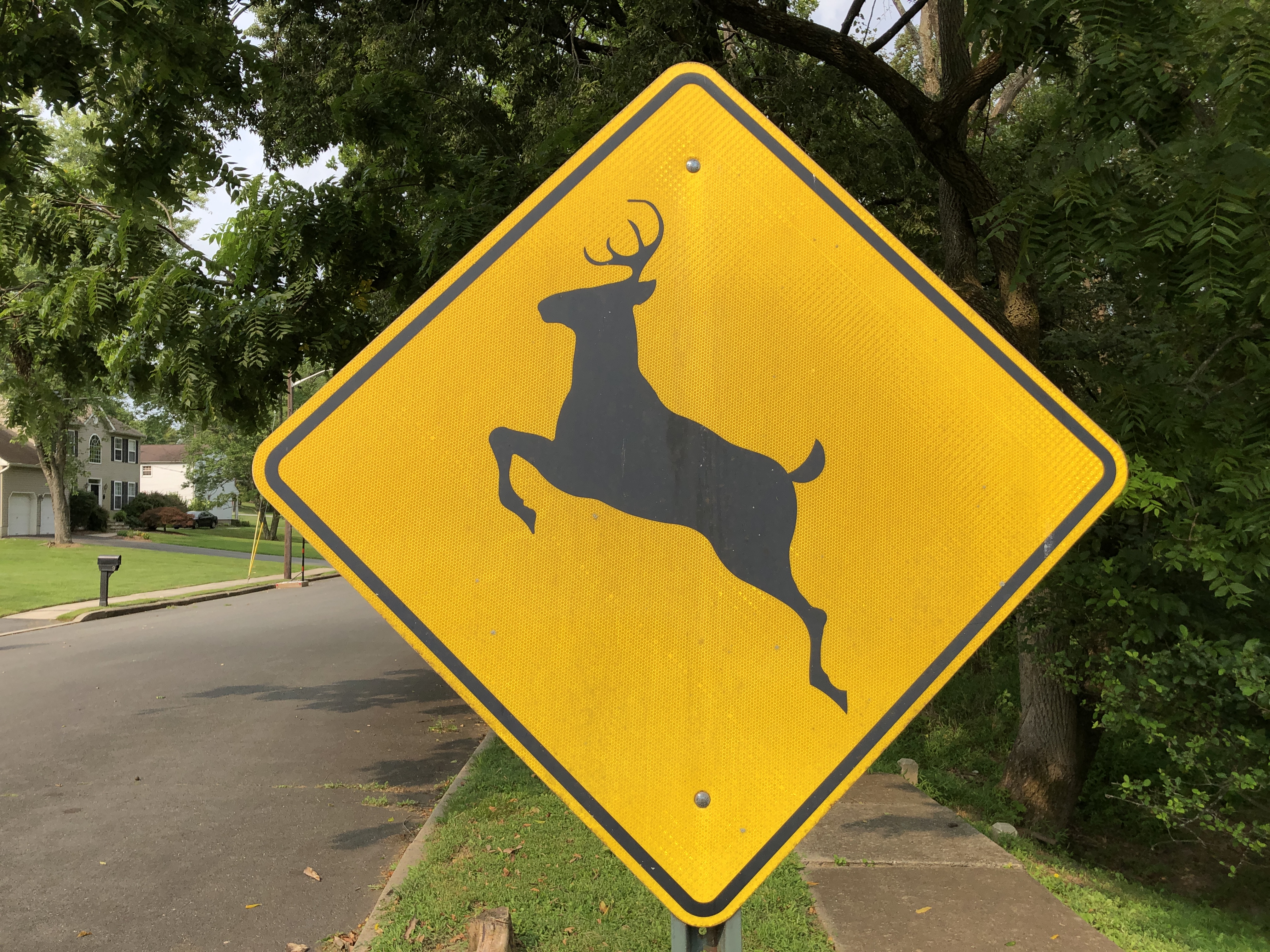
KYTC asks drivers to report all deer-vehicle crashes to police so traffic engineers can use the data to place deer-crossing warning signs and other safety measures.