Kentucky education and public-health officials outlined steps school districts can take to prepare for measles cases during a statewide superintendents webcast Nov. 10.
The briefing covered prevention, response planning and case reporting, according to the Kentucky Department of Education’s recap.
Officials cited 204 reported Kentucky cases across 14 counties as of Nov. 4, including 13 hospitalizations. Seven pregnant women were among those infected. The briefing also reported that the national case total for 2026 was the highest for any year since 1991.
Preparing school districts
Dr. Lori Caloia, deputy commissioner for clinical affairs at the Kentucky Department for Public Health, encouraged districts to coordinate with their local health departments before a case occurs.
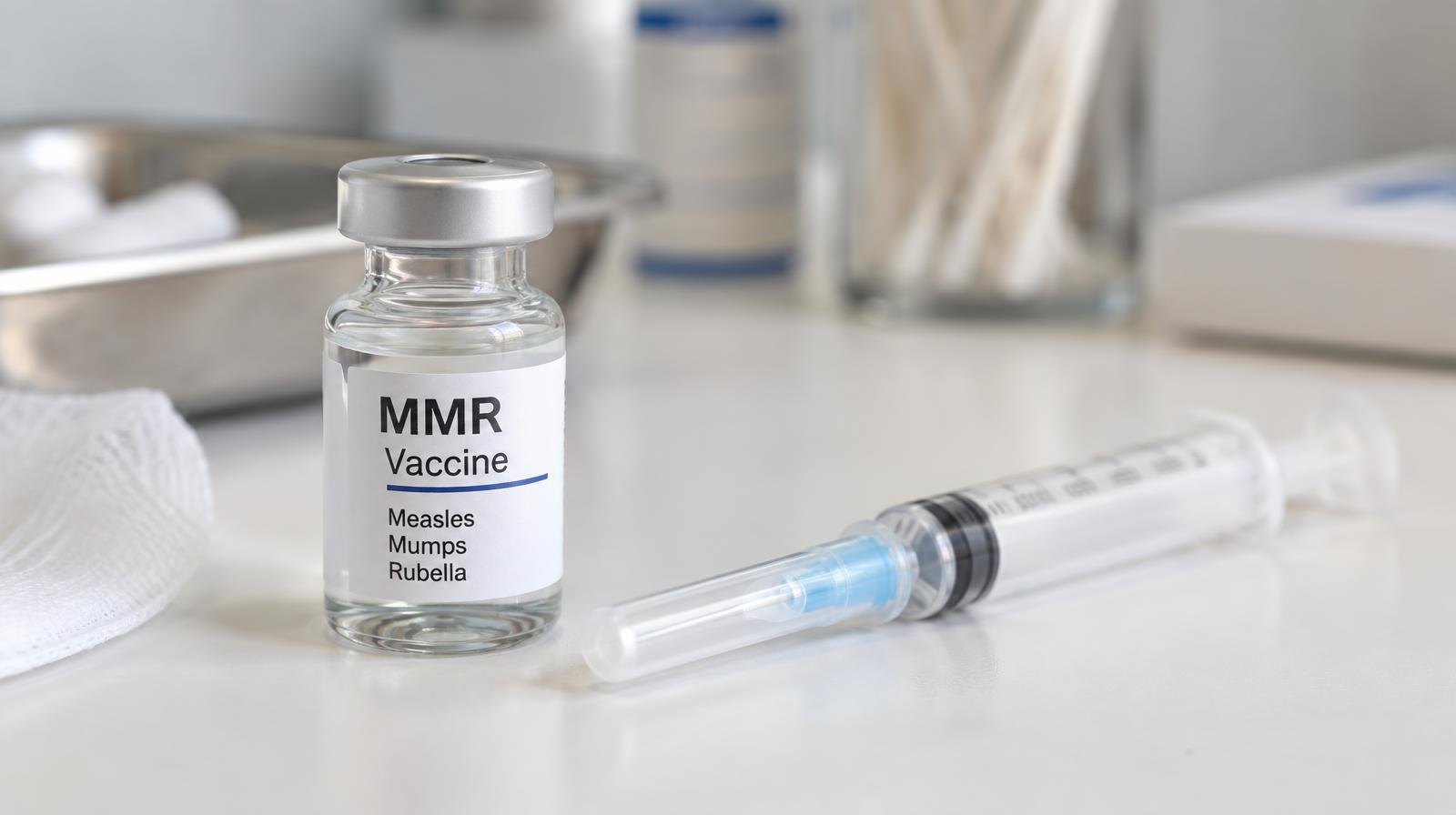
That preparation includes reviewing emergency plans, establishing response procedures and checking applicable measles and measles, mumps and rubella vaccine requirements.
Caloia linked the resurgence to vaccine hesitancy, declining immunization rates and increased exemptions. She also encouraged regular communication with families and staff about vaccinations and staying home when sick.
According to KDE’s recap, 202 of Kentucky’s 204 cases involved people who were unvaccinated or whose vaccination status was unknown.
County case figures
Contemporaneous reporting identified Christian County with 66 cases, Laurel County with 56 and Trigg County with 32, according to WKMS’s Nov. 5 report.
KDE’s recap listed Laurel County at 66, but that figure conflicts with WKMS’s report and an earlier state public-health alert, which also recorded 56.
How measles spreads
Measles spreads through the air and is highly contagious. Up to nine out of 10 nearby people without immunity can become infected after exposure, according to the Centers for Disease Control and Prevention. The virus can remain infectious in the air for up to two hours after an infected person leaves.
“Unfortunately, anyone who is not protected against measles is at risk,” Caloia said.
Jessi Carlton, with KDE’s Division of District Support, also explained how districts should record and monitor measles cases.